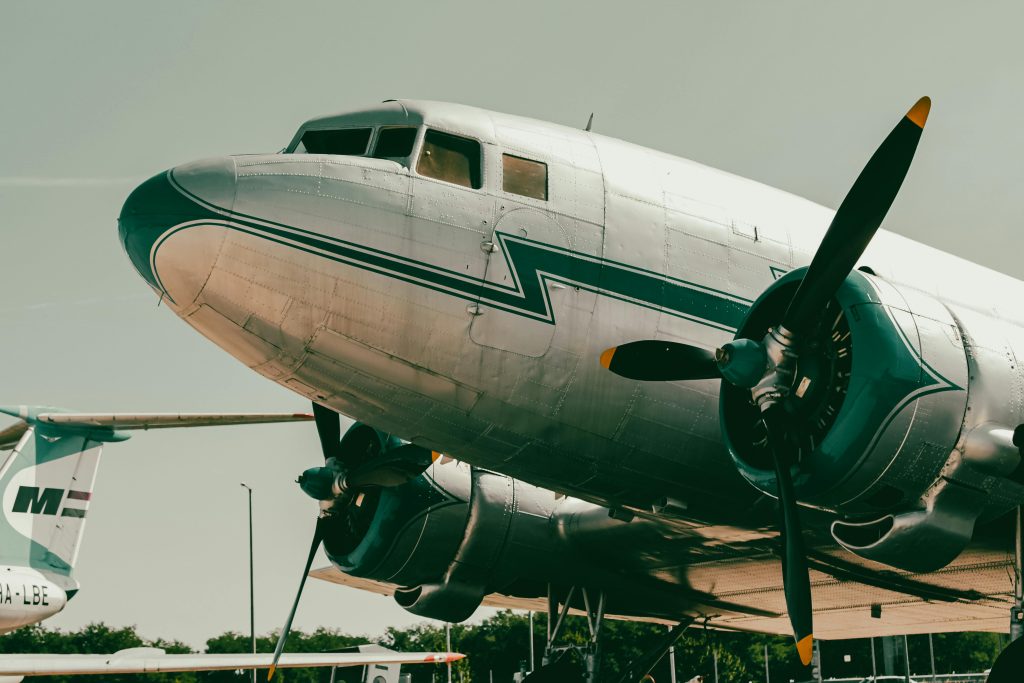
The Evolution of Aircraft — From Simple Flyers to Hydrogen-Powered AviationThe story of aviation is one of the greatest technological journeys in human history. What started as a dream inspired by birds eventually became giant airliners crossing oceans and advanced fighter jets flying faster than sound.
Everything began in the early 1900s with simple wooden aircraft built by pioneers like Orville Wright and Wilbur Wright. Their first airplane was small, slow, and could only stay in the air for a few seconds, but it proved that powered flight was possible.
As technology improved, aircraft became stronger, faster, and more reliable. During the First and Second World Wars, aviation developed rapidly. Airplanes were no longer used only for transportation or experiments — they became powerful military machines.
Fighter aircraft evolved from simple propeller planes into advanced jet fighters capable of supersonic speeds, radar tracking, and precision weapons. Aircraft such as the F-14 Tomcat, F-16 Fighting Falcon, and modern stealth fighters completely changed aerial combat.
At the same time, commercial aviation also transformed the world. Passenger aircraft evolved from small noisy cabins into massive long-range airliners like the Boeing 747 and the Airbus A380, capable of carrying hundreds of passengers across continents.
Today, aviation is entering a new era focused on sustainability and cleaner energy.
One of the most exciting future technologies is hydrogen-powered aviation. Instead of traditional jet fuel, future aircraft may use hydrogen to produce cleaner energy with far lower carbon emissions.
Major aerospace companies are already researching hydrogen engines and hybrid-electric systems. These technologies could reduce pollution, noise, and fuel costs while helping aviation become more environmentally friendly.
Although hydrogen aviation still faces challenges such as fuel storage and infrastructure, many experts believe it could become one of the biggest revolutions in aviation history.
From wooden propeller aircraft to stealth fighters and hydrogen-powered airliners, aviation continues to push the limits of human engineering and imagination.
داستان هوانوردی یکی از شگفتانگیزترین مسیرهای پیشرفت تکنولوژی در تاریخ بشر است. چیزی که روزی فقط یک رؤیا برای پرواز مثل پرندهها بود، امروز به هواپیماهای غولپیکر مسافربری و جنگندههای فوقپیشرفته تبدیل شده است.
همهچیز اوایل قرن بیستم شروع شد؛ زمانی که برادران رایت اولین هواپیمای موتوردار را ساختند. هواپیمای آنها چوبی، ساده و بسیار کند بود و فقط چند ثانیه پرواز میکرد، اما همان چند ثانیه ثابت کرد انسان میتواند پرواز کند.
کمکم با پیشرفت موتور، آیرودینامیک و متریال، هواپیماها سریعتر و قویتر شدند. در جنگ جهانی اول و دوم، صنعت هوانوردی جهش بزرگی داشت و هواپیماها وارد نقش نظامی شدند.
جنگندهها از هواپیماهای ملخی ساده به جتهای فوقسریع تبدیل شدند؛ هواپیماهایی که میتوانستند با سرعتی بیشتر از صوت پرواز کنند، رادار داشته باشند و اهداف را با دقت بالا نابود کنند.
جنگندههایی مثل: • F-14 Tomcat • F-16 Fighting Falcon
نسل جدیدی از نبرد هوایی را به وجود آوردند.
در کنار آن، هواپیماهای مسافربری هم دنیا را تغییر دادند. هواپیماهایی مثل: • Boeing 747 • Airbus A380
توانستند میلیونها نفر را بین قارهها جابهجا کنند و سفر هوایی را به بخشی عادی از زندگی انسان تبدیل کنند.
امروز اما صنعت هوانوردی وارد مرحله جدیدی شده؛ مرحلهای که تمرکز آن روی کاهش آلودگی و سوختهای پاک است.
یکی از مهمترین فناوریهای آینده، موتورهای هیدروژنی هستند. در این سیستمها، بهجای سوخت سنتی جت، از هیدروژن برای تولید انرژی استفاده میشود؛ چیزی که میتواند آلودگی کربنی هواپیماها را تا حد زیادی کاهش دهد.
شرکتهای بزرگ هوافضا در حال تحقیق روی موتورهای هیدروژنی و سیستمهای هیبریدی الکتریکی هستند تا نسل آینده هواپیماها کمصداتر، پاکتر و اقتصادیتر شوند.
البته هنوز چالشهایی مثل ذخیرهسازی هیدروژن و زیرساخت فرودگاهی وجود دارد، اما خیلی از کارشناسان معتقدند این فناوری میتواند بزرگترین تحول هوانوردی بعد از موتور جت باشد.سیر تکامل هواپیماها — از پروازهای ابتدایی تا موتورهای هیدروژنیهوانوردی از یک هواپیمای چوبی ساده شروع شد و حالا به جایی رسیده که انسان درباره جنگندههای رادارگریز و هواپیماهای هیدروژنی آینده صحبت میکند؛ مسیری که نشان میدهد آسمان هنوز هم پایان پیشرفت بشر نیست